Facebook is still where a real estate agent's sellers are, and it is the only platform where a good post gets carried into a local group by someone who is not you.
That is the job Facebook does for an agent: it lets your market read about itself, with your name attached.
Post on a business page, two to four times a week, about your town and the decisions your clients face.
Share the good ones to your profile and to the local groups that allow it.
Keep listings to about one post in ten.
Treat every boosted post about property as a housing ad, because Facebook does.
This page covers the page-versus-profile question, what to post with real examples, cadence, and the fair-housing rule for both posts and ads.
Page or profile
Use both, for different jobs.
The business page is where the posts live.
It lets you schedule, it gives you a link to hand out, it holds your reviews, and it is where Facebook's housing-ad rules apply cleanly when you boost.
Nothing you post here reaches many people on its own; page reach is low and has been for years.
Your personal profile is the distribution.
When a page post deserves it, share it from your profile with a sentence of your own.
Your friends see it, and the ones who live in your market are exactly the audience.
Local groups are the multiplier.
Most towns have a residents' group, a buy-nothing group, a parents' group.
Read each group's rules; many ban promotion but allow a neighbor sharing something useful about the neighborhood.
A post about what lakefront really means is useful.
A post about your new listing is promotion.
The difference decides whether the admin leaves it up.
What to post: six real examples
These are from one Boomp customer, a listing agent on the West Michigan lakeshore, published June to September 2026, shown without her name.
Each was written by the software from her own website and approved by her before it published.
Under each is why it travels on Facebook in particular.
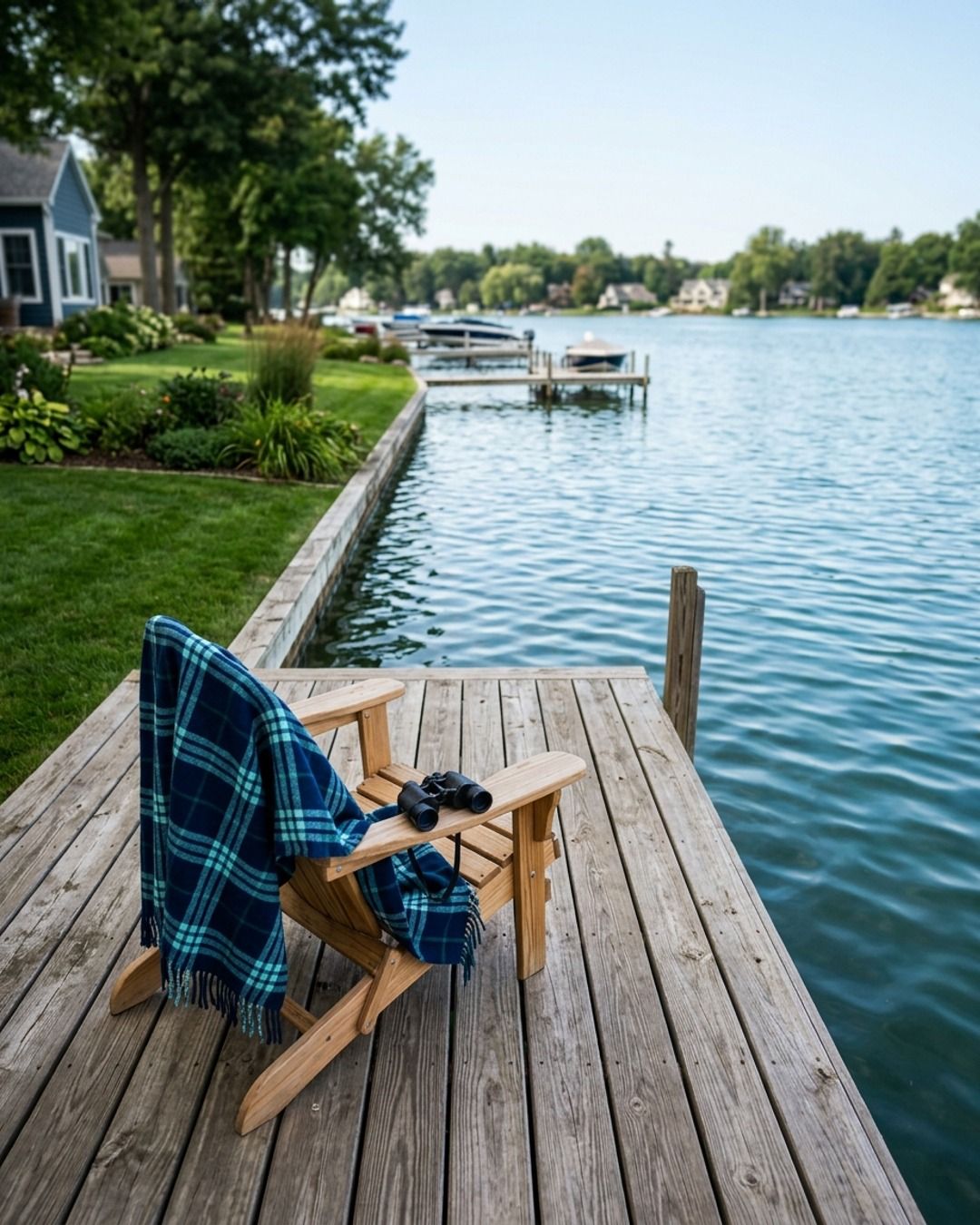
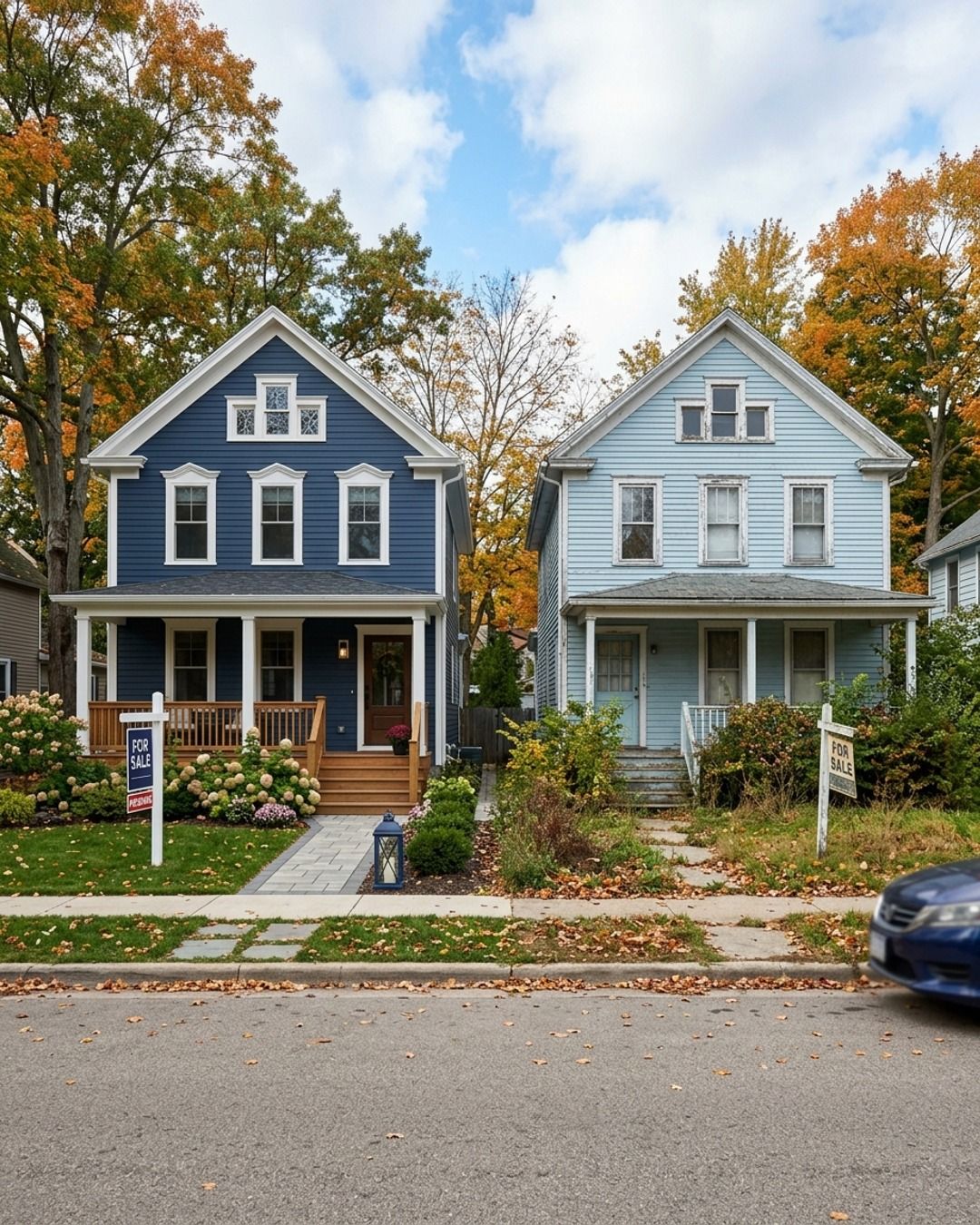
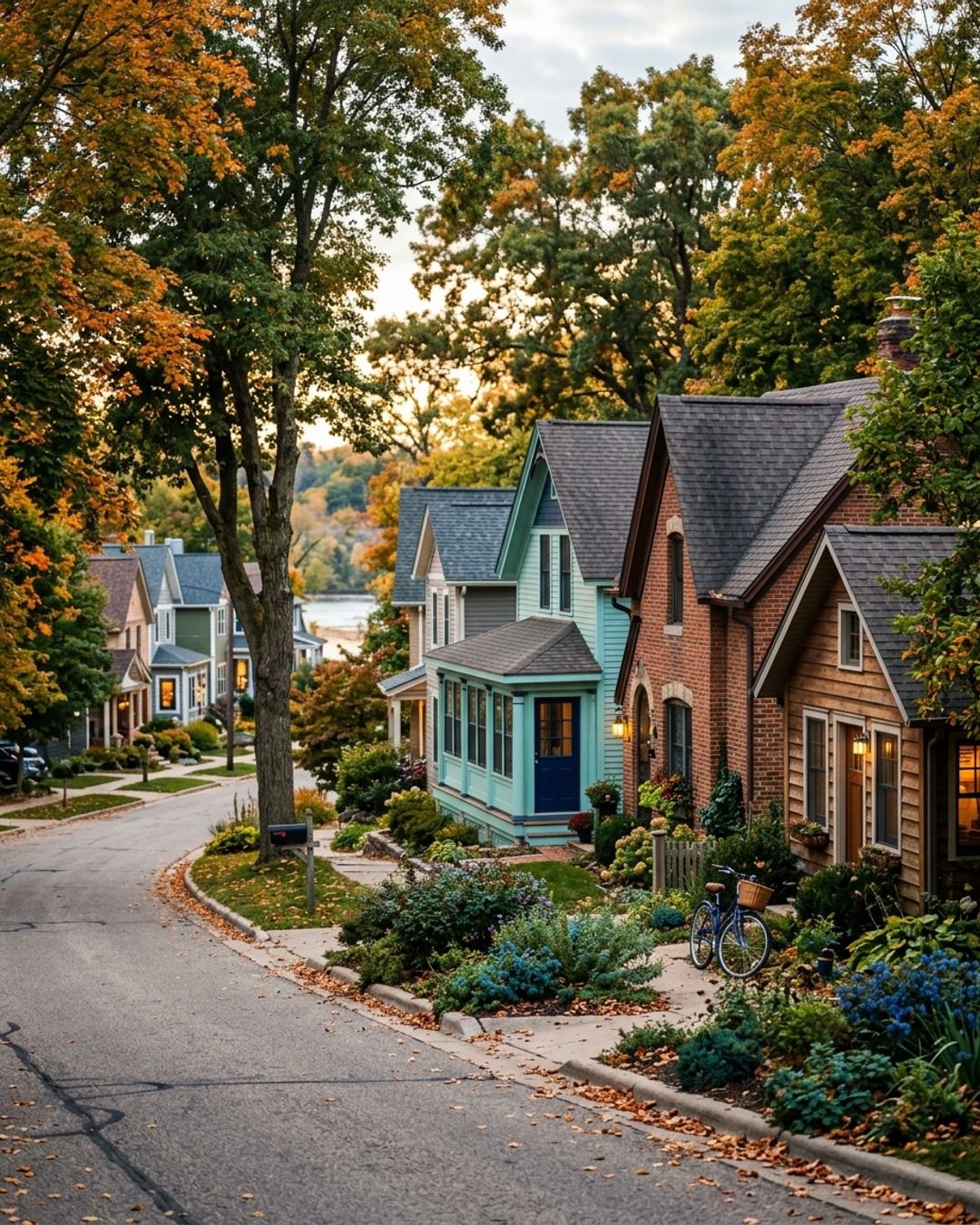


The full captions and the pattern behind each are on the examples page.
Twenty-five more topics, grouped by the pages your website already has, are on the ideas page.
Real estate topics that work on Facebook, and the ones that do not
Work: local definitions, part-of-town guides, the honest answer to a private question, what buyers here pay more for, the free fix, the closing-day story with the client's permission, the local business you send clients to, the school-boundary or commute fact stated plainly.
Do not work: the national market-report screenshot, "5 tips for first-time buyers" with no town in it, the motivational quote on a stock sunset, the listing-only feed, anything that starts "Thinking of selling?"
The test is one question: would a neighbor who is not moving share this into the town group?
Cadence
Two to four page posts a week.
One share to your profile or a group when a post earns it, never every post.
Held through February, because the pattern that fails on Facebook is a listing-week burst and six weeks of silence, after which the page's reach is lower than when you started.
Fair housing on Facebook: posts and ads are different rules
Posts: describe the property and the place, never the people.
Amenities, schools by name and distance, parks, commute times and the home are fine.
Who lives there, who the neighborhood is for, or who would feel at home is the line.
None of the six examples above says a word about people.
Ads: Facebook treats ads about housing as a special ad category with restricted targeting, and requires you to declare them.
Boosting a post about a property, or about your services as an agent, falls under it.
Declare it, accept the narrower targeting, and if you are unsure whether a boost counts, ask your broker before you pay.
Your MLS and brokerage rules sit beside all this: another agent's listing photos, co-listing credit, the logo requirement.
Whoever posts for you needs them on day one.
Three ways to keep the page full
Do it yourself from the topics above.
Budget two to three hours a month and the discipline to post in the slow months.
Have software write it from your website. That is how the six posts above were made.
Boomp reads your neighborhood pages, your guides and your about page, writes posts about your market with the image, and publishes to your Facebook page, Instagram and LinkedIn.
Packs is $9 a month for ten posts by email that you publish; Core is $39 for twenty posts, a carousel and a video published after you approve each one; the done-for-you option is $275 with Boomp's founder approving them for you.
You still share the good ones to your profile; that part is yours and takes a minute.
Hire a writer at $500 to $1,500 a month if you also want a human on a campaign or on ads.
The full comparison is its own page.
The free door comes first: ten finished posts made from your own website, no email, account or card.
Read them and ask the one question: would a neighbor share this?