Instagram for real estate agents works when the feed is about the place and the decision, not the listing.
Post two to four times a week for the followers who are not in a transaction this month, keep it up through the slow season, and let the listing be one post in ten rather than nine.
This page covers what to post, how often, the caption and fair-housing rules, and shows three real posts from a working listing agent's account so you can see the standard rather than read about it.
Why the listing-only feed fails on Instagram
A listing speaks to the handful of followers who are shopping right now.
Everyone else scrolls past it, and Instagram reads the scroll.
Within a few weeks the account is shown to fewer people, which makes the next listing post reach even fewer, which is when most agents conclude Instagram does not work for real estate.
It works fine.
It just rewards the post that a follower who is not moving still wants to read: something about their town, their block, a decision they will face one day.
Those posts get saved and sent, and saves and sends are what put the next listing in front of people.
What to post: five kinds, three shown
The examples below are from one Boomp customer, a listing agent on the West Michigan lakeshore, published to her account between June and September 2026.
Her name and brokerage do not appear, which is why they can be shown.
Each was written by the software from her own website and approved by her.
1. A local term that costs money to get wrong
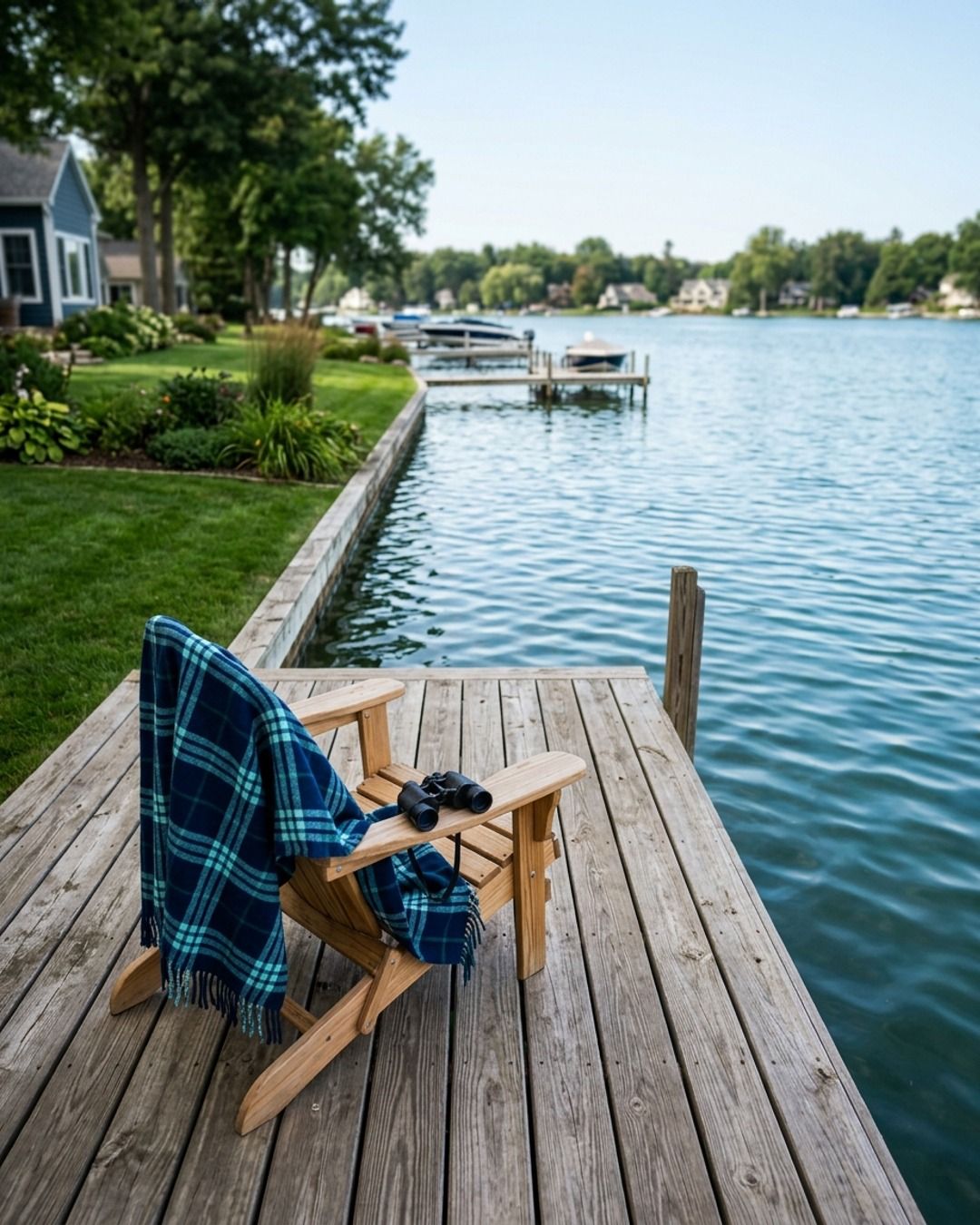
Every market has these words: waterfront, walkable, updated, turnkey, acreage.
Pick one and explain the version that costs a buyer money.
2. A part-of-town guide
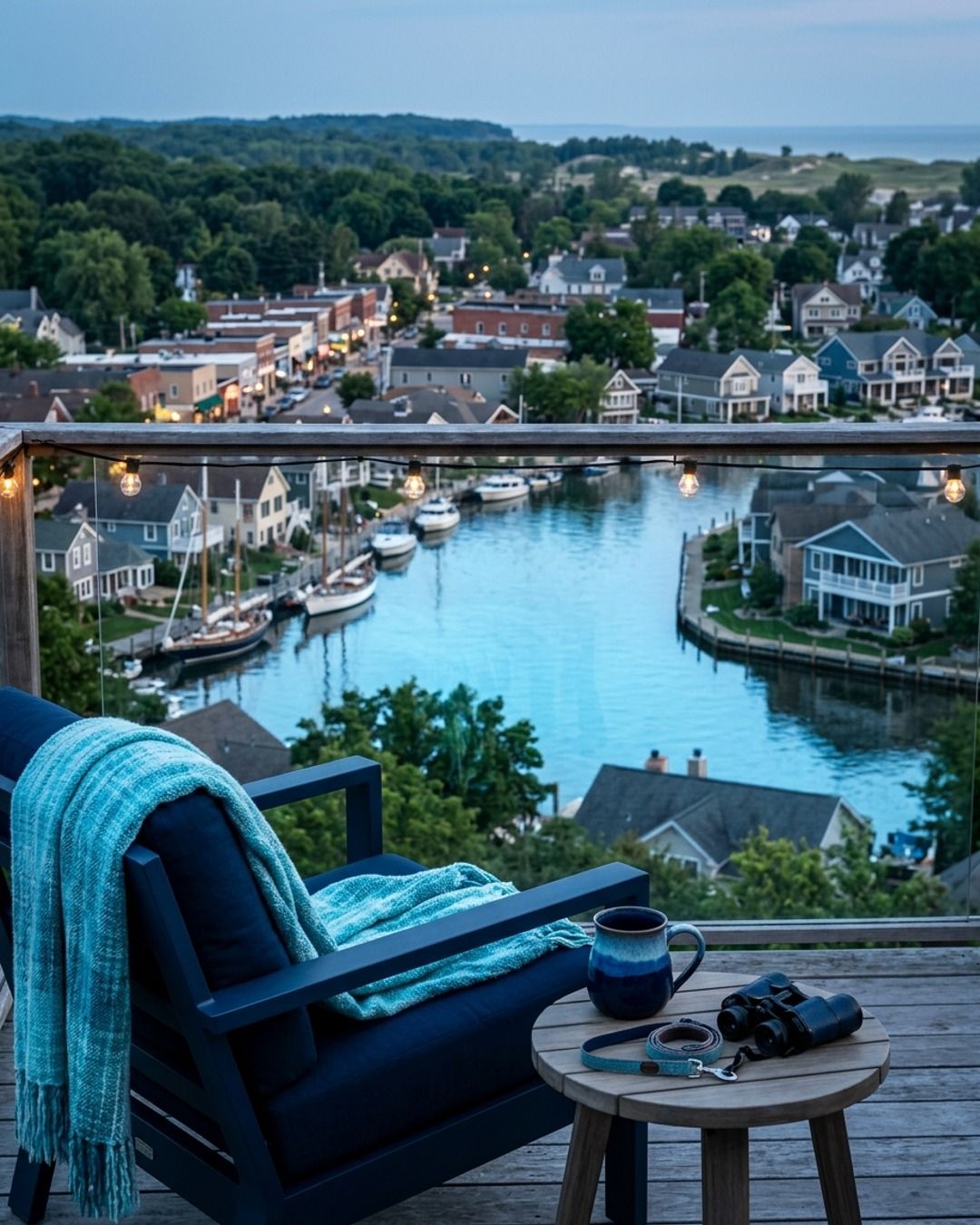
Three named places, three kinds of week.
This is the post that gets sent to a spouse.
3. The seller's weekend fix

Free fixes with the reason behind each, and one local detail (the damp West Michigan basement) that makes it hers.
4. The honest market answer
Why two identical homes sell for different prices; what buyers here quietly pay more for; why a listing sits in week three.
Two of these are on the examples page.
The rule is to leave the uncomfortable part in.
5. Your own story, in one post a month
Why you do this, the client moment that stuck, the thing you learned the hard way.
One a month is plenty.
It is the post that makes the other twenty feel like they came from a person.
For the long list grouped by the pages your website already has, use the 25 real estate post ideas.
Formats: what each is for
Image plus caption is the workhorse, and all three examples above are this format.
A real photo of the place beats a stock kitchen; a quote card beats nothing.
Carousels take one idea and give it five slides.
The lakefront-versus-waterfront post as a carousel would hold the survey checklist the caption only gestures at.
Carousels are the format that gets saved.
Reels reward faces and reward frequency.
If you like being on camera, a sixty-second walk down a street you know is a good Reel.
If you do not, a captioned short video of the place, not the person, still performs, and you do not have to appear in it.
Stories are for the real-time stuff: the open house, the closing table, the coffee shop that just opened.
They disappear, so nothing here needs to be perfect.
Cadence: the number you can hold for a year
Two to four feed posts a week.
Stories when something real happens.
One Reel a week if you enjoy them, none if you do not.
The failure mode is not posting too little.
It is posting daily during a listing and nothing for six weeks after.
Pick a number you can keep through February and hold it.
Captions: the first line does the work
Instagram allows 2,200 characters and shows roughly the first line before "more."
The three examples above open with the point (lakefront versus waterfront; the right house in the wrong neighborhood; buyers leaving in five minutes) and run 120 to 220 words, one sentence per line, ending in a question or an offer.
Hashtags are not what they were.
Three to five specific ones (your town, your lake, your neighborhood) do more than thirty generic ones.
The full length and formatting notes are in the Instagram caption guide.
The fair-housing line, in one paragraph
Describe the property and the place, never the people.
Amenities, schools by name and distance, parks, commute times, the deck and the light are fine.
Who lives there, who the neighborhood is for, who would feel at home is the line, and so is any paid targeting by a protected characteristic.
Whoever approves your posts carries this check; if that is you, ask your broker when in doubt.
Notice that none of the three examples above says a word about people.
Three ways to keep the feed full
Do it yourself from the ideas and patterns here.
Budget two to three hours a month and a photo habit.
Have software write it from your website. That is how the three posts above were made.
Boomp reads your neighborhood pages, your guides and your about page and writes posts about your market, with the image.
Packs is $9 a month for ten posts by email that you publish; Core is $39 for twenty posts, a carousel and a video published to Instagram, Facebook and LinkedIn after you approve each one; the done-for-you option is $275 with Boomp's founder approving them for you.
Post your own listings the day they go live and let the software carry the rest of the month.
Hire a writer at $500 to $1,500 a month if you also want a human on strategy or a campaign.
The free door comes first: ten finished posts made from your own website, no email, account or card, so you can judge the writing against your site before you decide who does it.