Good real estate social media posts name a specific place or a specific decision.
Everything else is filler that any agent in the country could run.
Below are six real posts from one listing agent's feed, captions verbatim, published between June and September 2026.
Under each one is why it works and the pattern to copy for your own market.
The agent works the West Michigan lakeshore; her name, brokerage and clients do not appear in any post, which is why they can be shown.
Each was written by Boomp from her own website and approved by her before it published.
Example 1: define a term that costs money
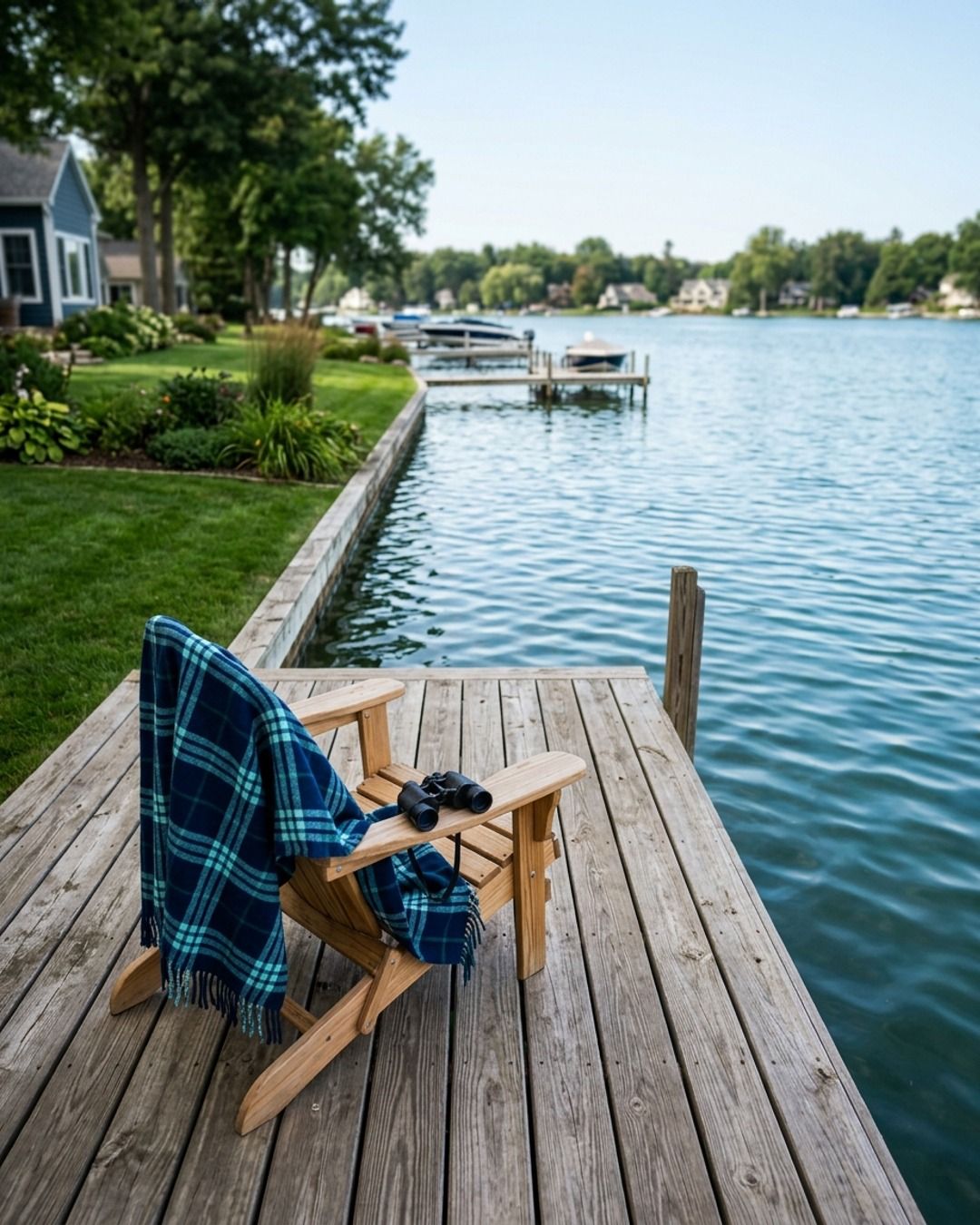
In Saugatuck, lakefront and waterfront are not the same thing.
The difference is worth hundreds of thousands of dollars, so you have to know which one you're actually looking at.
Lakefront means the property line hits the water. You own the frontage and you can stand on the shoreline.
Waterfront is a much looser term. Depending on who wrote the listing, a home with a distant lake view, deeded access, or shared frontage three houses down can all be labeled waterfront.
Before you fall for a photo, check the survey. You need to know exactly how many feet of shoreline come with the property, if that access is private or shared, and what the easements look like.
Those details dictate what you can actually do with the land and how it will appreciate over time.
A view and frontage are two very different assets. The price should reflect what you're actually getting, not just what the description says.
If you're looking at a listing and the language feels vague, send it over. I'll help you pull the survey and see what's actually on the deed.
Why it works. It takes a word every buyer in that market has read a hundred times and shows that it hides a six-figure difference.
The agent is not selling; she is protecting.
The close is an offer, not a pitch.
The pattern. Pick one term in your market that listings use loosely (waterfront, walkable, updated, turnkey, acreage) and explain the version that costs money to get wrong.
Example 2: answer the question nobody asks out loud
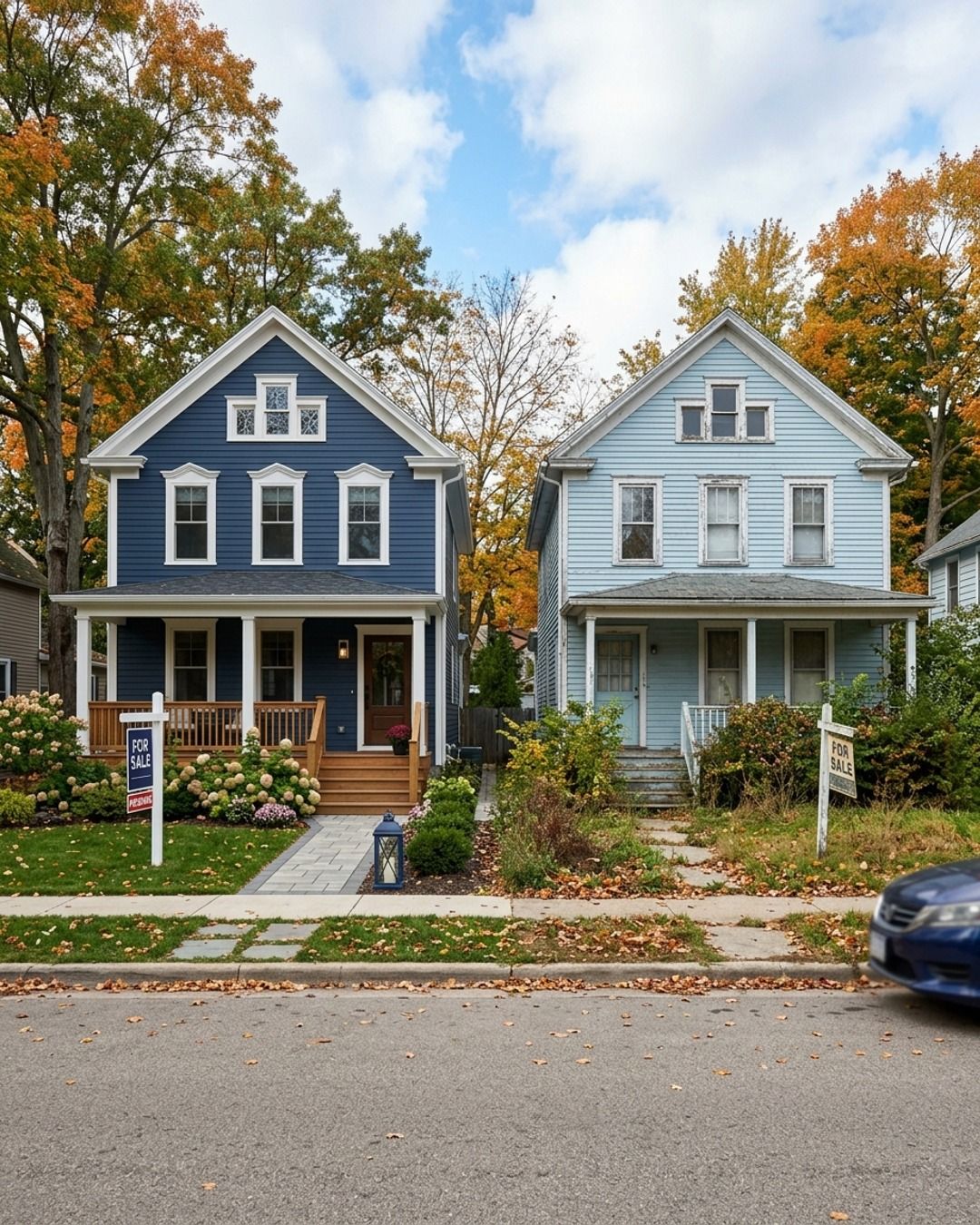
Ever wonder why two nearly identical Saugatuck homes sell for wildly different prices?
Same square footage, same bedrooms, same street. One sells in a week over asking; the other sits for two months.
It usually comes down to things a buyer feels before they can even articulate them. It's the way the light hits the living room or how the entryway feels the second they step inside.
If a house feels finished—fresh paint, zero clutter, a clear sense of space—it reads as move-in ready. That perception alone moves the needle.
The other factor is the pricing strategy. If you list high just to leave room to negotiate, you kill the momentum of those first fourteen days.
That initial rush of attention is your most valuable asset, and you can't get it back once the listing feels stale.
Prep and pricing aren't just details. They are the strategy.
When you're touring a home, what's the one thing that makes you immediately want to live there—or immediately want to leave?
Why it works. Every seller has watched a neighbor's house sell faster and wondered why.
The post gives two concrete answers and one uncomfortable truth about overpricing, then asks a question anyone can answer.
The pattern. Take the comparison your sellers make in private and answer it in public, with the honest part left in.
Example 3: give the picky buyer permission
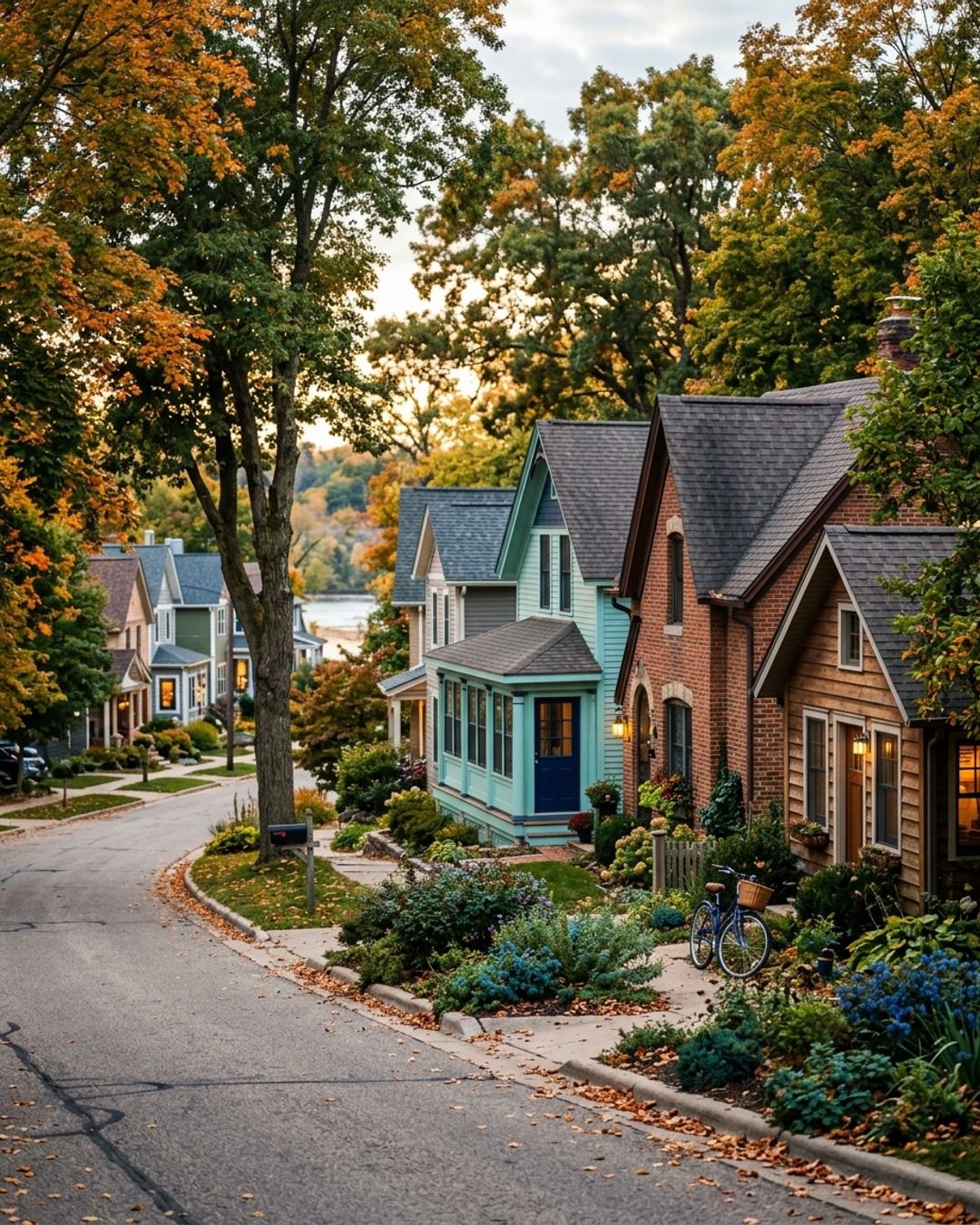
You're not being picky. West Michigan just has more micro-neighborhoods than people realize.
Two homes a mile apart can feel like two different worlds here.
One street might offer walkable mornings to the water and a tight, year-round community, while the next block over feels quiet and seasonal once the summer crowds thin out.
If a house looks perfect online but feels "off" the second you pull into the driveway, trust that. It's your gut catching the things a listing photo can't show—the light, the noise, or how the street actually lives in the off-season.
Before you write a location off, drive it at different times. A Saturday afternoon and a Tuesday evening will tell you two completely different stories about the same block.
What's the one thing about a neighborhood that can't be captured in a photo?
Why it works. It starts by taking the buyer's side.
Then it gives a real instruction (drive it twice, at different times) that only someone who knows the area would think to give.
The pattern. Name the feeling your buyers apologize for, tell them it is correct, and give them the local move that proves you know why.
Example 4: match a person to a part of town

The right house in the wrong Saugatuck neighborhood is still the wrong house.
It's easy to fall for a great kitchen, but the neighborhood does half the work of making you happy.
You have to decide what your day-to-day actually looks like before you even start looking at listings.
Downtown makes sense if you want to walk to coffee and dinner without moving your car. The areas closer to Oval Beach feel completely different—it's all about dune views and quiet. If you want more land and a slower pace, the spots just outside the village toward Douglas are usually the better fit.
The mistake I see most often is people falling for a floor plan and ignoring the setting. A great home in the wrong spot will always feel off.
When you picture living here, are you walking into town or watching the water?
Why it works. Three named places, three kinds of week.
A reader who lives there nods; a reader moving there has just been handed a map.
The pattern. Split your market into three parts by how a day feels in each, not by price band, and let the reader pick.
Example 5: tell sellers where the money goes
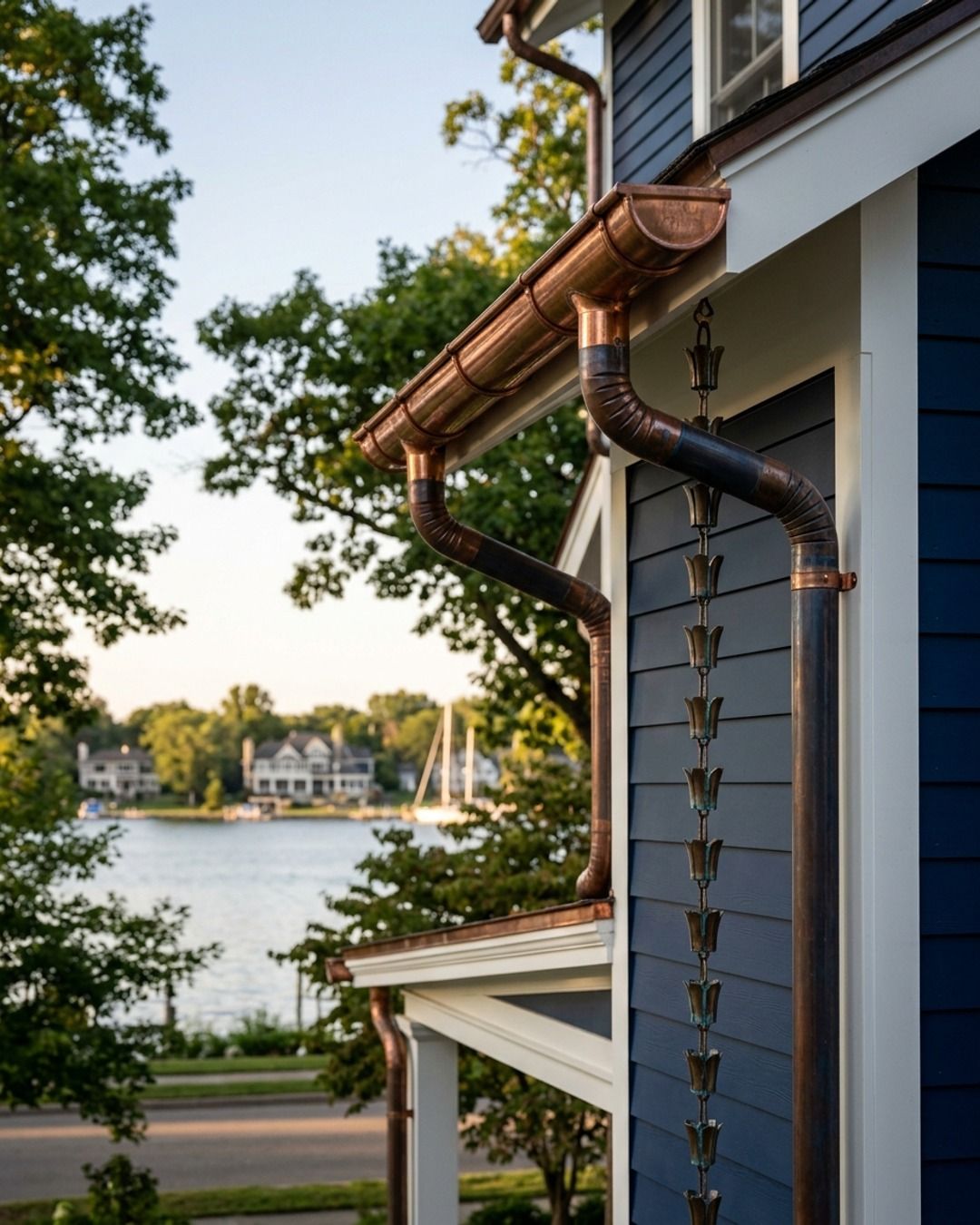
Curious what buyers in Saugatuck are quietly willing to pay more for?
It isn't the granite or the brand-new appliances. It's outdoor living that actually works in July.
A usable deck, a screened porch, mature trees for shade, or a yard that flows toward the water.
Buyers here start picturing June through September the second they walk in. A home that delivers that feeling gets the stronger offer.
If you're prepping to list, don't pour your entire budget into the kitchen and ignore the backyard. A clean, staged outdoor space changes the math more than most sellers expect.
When you bought your place, was it a room inside that sold you, or the way it felt when you walked out the back door?
Why it works. It contradicts the national advice (kitchens sell houses) with a local truth, and it saves a seller real money on the wrong renovation.
The pattern. Find the one thing buyers in your market pay for that the national lists miss, and say it plainly.
Example 6: the weekend fix
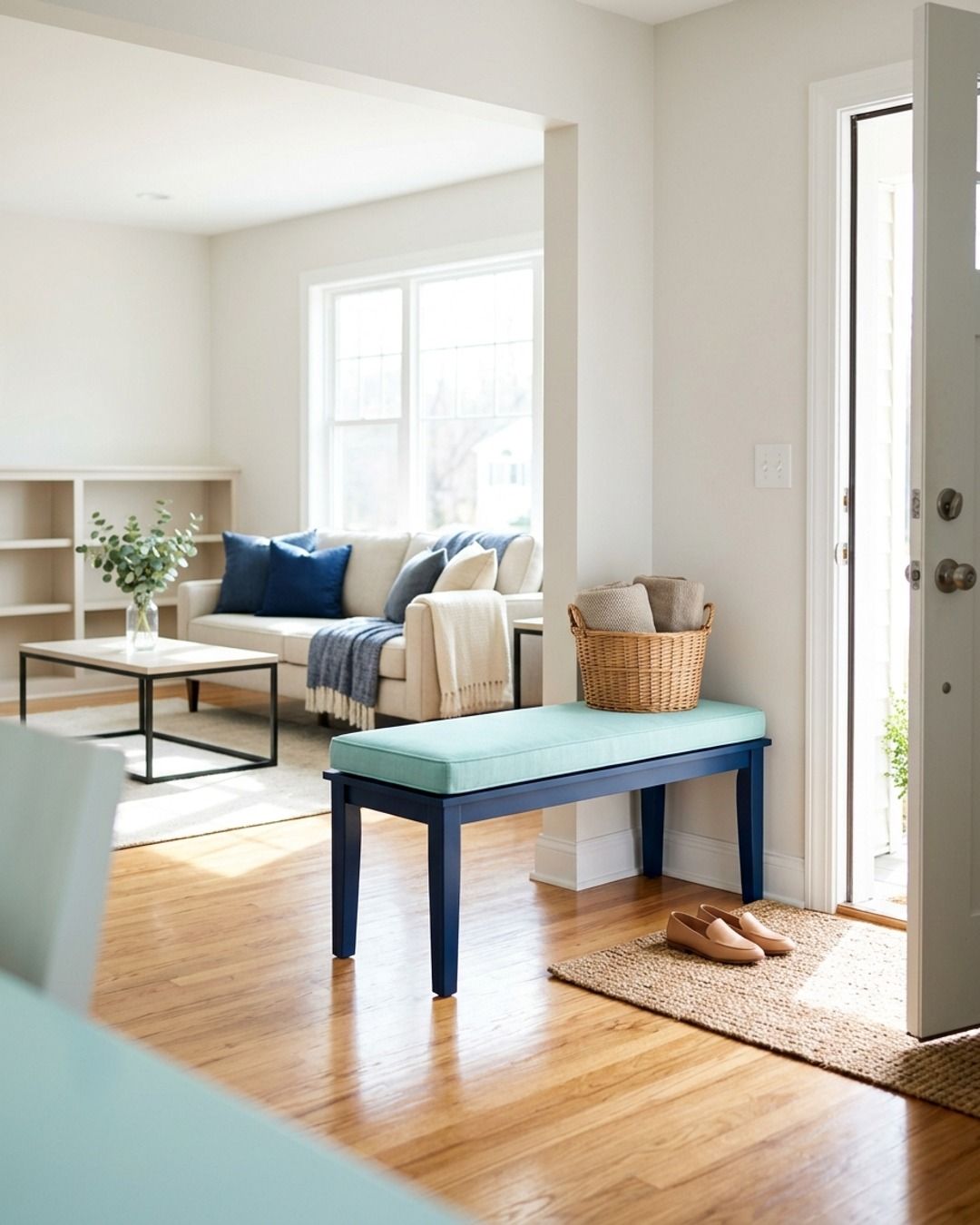
If buyers are walking out of your house in under five minutes, it's almost always smell, light, or clutter.
You can't trust your own nose on the first one. Between the dog and that damp West Michigan basement, you've gone nose-blind. Ask a friend to walk in cold and give you the brutal truth.
Light is the easiest fix. Open the blinds, swap the dim bulbs, and actually wash the windows. A bright room looks better on a smartphone screen—which is where you're winning or losing the showing before they even pull into the driveway.
Then there's clutter. You aren't staging for a magazine; you're just clearing enough space so a buyer can imagine their own furniture in the room instead of yours.
A weekend spent on these three things is the difference between an offer on Monday and a price drop conversation next month.
Why it works. Three fixes, all free or nearly, each with the reason behind it and a local detail (the damp basement) that makes it hers.
The pattern. Give sellers one weekend's worth of work and the consequence of skipping it.
What the six have in common
- Every one names a place (Saugatuck, Oval Beach, Douglas, West Michigan) or a decision (list price, renovation budget, which street).
- None of them is a listing.
- Each ends with a question or an offer, never a hashtag pile.
- One sentence per line, 120 to 220 words, well under Instagram's 2,200-character limit and long enough to say one thing properly.
- Nothing about who should live where. Places, process and market habits only, which is the fair-housing line.
How to get posts like these for your market
Three ways, in order of how much of the job you keep.
Write them yourself from the patterns above and the 25 post ideas grouped by your website's pages.
Budget two to three hours a month and keep it up through the slow season.
Have software write them from your website. That is how the six above were made.
Boomp reads your neighborhood pages, your guides and your about page and writes posts about your market.
Packs is $9 a month for ten posts by email that you publish; Core is $39 for twenty posts, a carousel and a video published after you approve each one; the done-for-you option is $275 with Boomp's founder approving them for you.
The free door is ten finished posts from your website, no email, account or card, so you can judge them against your own site the way you just judged hers.
Hire a writer. A freelancer runs $500 to $1,500 a month for an agent's volume and needs your briefing and photos every month.
Right when you also want a human on strategy; over-buying when you want the feed to stop going quiet.
The full comparison is its own page.